We all love having comfortable furniture in our homes, especially something as luxurious as Lovesac sofas. For some of us, we also enjoy sharing our homes with furry family members too. Occasionally, these two worlds collide and or beloved pets will have accidents on our beds, floors, or even couches; and this is when the cleanup can become difficult or even impossible in some cases.
Unfortunately, there’s no real method for getting cat pee out of a Lovesac. Of course, you can machine wash the cover to remove any smells or stains, but you absolutely cannot do anything about the foam.
Even if you handwash your Lovesac, the ammonia particles inherent in the cat urine will always remain. While you may not smell it, your cat eventually will, and it’s likely that they’ll pee on it again.
If you have a Lovesac, you’re one of the millions of people blessed with one of the most comfortable pieces of furniture available. It’s basically a beanbag, but it isn’t comprised of the usual little beads and beans found inside of most similar products. Durafoam is Lovesac’s proprietary stuffing for their chairs and couches; and, unsurprisingly, it’s not a material that was designed to withstand being a substitute litter box for our pets.
Quick Overview
Evaluate how much urine soaked into the Lovesac. It’s likely that you will have to throw out the inner foam.
Clean and machine wash the cover; you can treat it with spot spray and allow it to air dry when done.
Some recommendations from Lovesac along with stories and experiences from owners.
Prevent your cat from having another accident on it by covering it, keeping it out of sight, or training your cat.
Evaluate the Urine
If there’s only a little urine on the Lovesac, you might be okay to just throw the cover into the washing machine. Spray some deodorizing cleaner on the affected area of the Durafoam afterward. However, if there’s a lot of urine, you’ll simply have to throw the Durafoam away—you won’t be able to salvage it.
Cleaning the Cover
According to Lovesac, you can wash the cover on a gentle cycle in the washing machine with cold water. Ensure that you use detergent intended specifically for delicates. You can also use some fabric softener to help with the smell if you’d like.
Additionally, you can pre-treat the fabric with a stain-removing product or baking soda and vinegar. When it’s finished, allow it to hang dry. Do not put it in a dryer.
What Lovesac Recommends
Lovesac says to follow their fabric care guide, but there’s no information available on their website for such a thing. However, in Lovesac’s FAQ section, they recommend not washing their product as much as possible. Try to treat spills and stains with a damp sponge or cloth and a vacuum. Use your washing machine as a last-ditch effort for cleaning these up.
Owner Stories & Experiences
When you browse online help forums about removing cat urine from a Lovesac, it’s a nightmare. This is because the foam on the inside absorbs, traps, and holds in the smell of cat pee. Once it’s there, it’s there forever.
For those that jumped the gun and attempted to wash the foam, it dispersed the cat pee throughout the foam and destroyed the material. Additionally, any success they gained was quickly mitigated once the cat returned to the piece to pee on it again.
There are also some people who attempted to use a Shopvac or other upholstery cleaning machine to remove the stains and smells. It did work in some cases to a small extent, but the smell of the cat pee does eventually return after a time even if it doesn’t get very deep into the fibers of the foam.
How to Prevent a Cat from Peeing on Your Lovesac
When you have a Lovesac, it’s imperative to implement preventative measures. The chances of you being able to remove cat pee once it’s there will be next to impossible.
Cover It or Move It Out of Sight
As a great step towards protecting your belonging, you can always use some sort of waterproof covering over your Lovesac. This way, if your cat does pee on it, the urine will simply run off the furniture. However, this will still create a mess on the floor—this is usually far easier to clean than the Durafoam, though.
It is also possible, of course, to put a rubber or silicone mat under your Lovesac. This will protect the floor, and it’s a cinch to keep clean and remove cat urine when it appears.
If that’s too much or far too involved for your tastes, you could also simply keep your Lovesac up and out of the way when it’s not in use. This would clearly be far more effective for the smaller beanbag chairs than it would be for larger couches and sectionals.
In the case of the larger types of Lovesac furniture, covering them is your best option.
Training
The approach with benefits extending even past simply protecting your furniture, you could always try to train your cat to not pee on the Lovesac (nor anything else of value in your home). There are several techniques you can attempt in an effort to stop your cat from peeing on it. You may have to use a combination of the suggestions below, so be sure to devise a plan of action before you start your actual training regimen.
Make It Undesirable — Cats are very sensitive to scents they find gross as well as loud noises. You could place a covering onto your Lovesac that has a crazy, loud, crunchy sound to it. You could also spray something like lavender essential oil all over the Lovesac—cats hate lavender and other strong perfumes.
Use a Spray Bottle of Water — Very few cats actually like water. With a toy water gun or a spray bottle that has a long stream and covers some good distance, you can simply spray your cat every time you notice it even attempting to approach the Lovesac.
Keep It Away from Any Cat Areas — Ensure your Lovesac doesn’t stay anywhere near your cat’s food bowls or litter boxes—this includes the areas where they sleep, lounge, play, and hang out. They key here is to reduce your cat’s desire and curiosity.
How to Get Cat Pee out of a Lovesac: Easy, Proven Odor Removal Tips
Dealing with cat pee on your Lovesac can feel like a nightmare, especially when you treasure that cozy spot. It’s frustrating, gross, and honestly, it might make you wonder if your favorite furniture will ever smell fresh again.
The good news? With the right steps, you can actually remove stains and odors, bringing your Lovesac back to its comfy, inviting self without tossing it out.
Cat urine is tricky because its smell sticks around like a bad memory, but understanding how to clean it properly makes all the difference. Whether it’s your mischievous kitty’s first accident or you’re dealing with a repeat offender, knowing what to do and using the right products can save you time, money, and stress.
You don’t have to live with that smell or that stain. This guide is packed with practical advice—from quick cleanups to deeper treatments, plus a few tips to stop future accidents.
Protect your furniture and keep your home fresh. It’s really about making your space feel safe and clean for both you and your furry friend.
Key Takeaways
Quick and careful cleaning stops stains and odors from setting in.
Using the right cleaners breaks down tough urine compounds effectively.
Preventing repeat accidents is key to keeping your Lovesac fresh.
Why Cat Pee Is So Difficult to Remove from a Lovesac
Cat urine is tough to clean because of its chemical makeup and how it interacts with the materials in your Lovesac. The way urine soaks into fabric and foam makes stains and odors stubborn.
Understanding these details will help you know why quick and proper cleaning matters.
Understanding Cat Urine Chemistry
Cat urine contains uric acid, proteins, and other compounds that bond tightly to fabrics. Uric acid crystals don’t dissolve easily in water.
When urine dries, these crystals stick deep into fibers, causing stains and a strong smell that regular cleaners just can’t break down. The proteins in cat pee also create a scent your cat can detect, which can encourage your pet to return to the same spot.
The acid and ammonia in urine also damage materials over time if you don’t clean them quickly. To really get rid of cat pee, you need cleaners that break down uric acid and reach deep into the fabric.
That’s why enzyme-based cleaners usually work better than regular detergents.
The Unique Challenges of Lovesac Materials
Your Lovesac has a soft, thick fabric cover and a dense foam filling inside. The fabric is often machine washable, but the foam isn’t.
Urine soaks through the fabric and seeps deep into the foam, trapping odor that’s hard to get out. The foam absorbs moisture and urine compounds, so just cleaning the cover won’t stop the smell.
Heat and some cleaning products can damage the foam, so you need to be careful. The size and shape of Lovesac pieces also make cleaning a challenge.
You can’t always remove the entire cover for washing, and deep cleaning methods must be gentle enough to protect both fabric and foam. Quick blotting, cold water, and specific cleaners help prevent urine from settling in for good.
For more on why cat urine is so tough to clean from your Lovesac, see this detailed guide on removing cat pee from Lovesac furniture.
Step-By-Step Guide to Remove Cat Pee from a Lovesac
Cleaning cat urine from your Lovesac is all about quick action, the right cleaning tools, and knowing how to tackle both stains and smells. You’ll need to focus on blotting up the urine, using proper solutions, and working with natural odor absorbers alongside special cleaners.
Immediate Action: Blotting and Stain Identification
The moment you spot cat pee on your Lovesac, act fast. Use clean towels or paper towels to blot the stain.
Press gently to soak up as much liquid as you can without rubbing, which might push the urine deeper into the fabric and foam. Check the entire area carefully—cat urine can spread beyond what you see, so figure out the real size of the wet spot.
Treating only the visible stain won’t get rid of all the odor or prevent it from coming back. If you wait too long, the pee can soak deep into the foam inside your Lovesac.
While the cover might be washable, the foam underneath can hold onto the smell, so speed really helps your efforts.
Preparing and Applying the Right Cleaning Solutions
Once you’ve blotted the area, mix your cleaning solution. A common and safe mix is 1 cup of white vinegar with 2 cups of water.
Add about a teaspoon of gentle, liquid detergent without bleach. This solution will clean the fabric without causing damage. Put the mix in a spray bottle for easy and even application.
Spray the entire stained area lightly, making sure to cover both the pee spot and the surrounding fabric. Let the solution sit for 10 to 15 minutes to break down the urine’s ammonia and neutralize odors.
Afterwards, blot again with clean towels to lift moisture and dirt. Avoid over-saturating the fabric—Lovesac covers can handle some moisture, but too much liquid leads to longer drying times and risks mold or mildew.
Using Baking Soda for Odor Absorption
Baking soda is your best friend when it comes to absorbing leftover odors. After cleaning, sprinkle a generous layer of baking soda over the still-damp area.
Let it sit for at least an hour, but overnight is even better if you can manage it. Baking soda pulls moisture and smells out of the fabric and foam.
When the baking soda has had time to work, vacuum it off carefully. Use a vacuum attachment so you don’t push the powder too deep into the fabric.
If the smell lingers, just repeat this process. Baking soda is a gentle way to keep your Lovesac smelling fresh without harsh chemicals.
Effective Use of Enzymatic Cleaners
Enzymatic cleaners target the proteins and chemicals in cat urine that cause stains and strong odors. They break down these molecules, making them easier to remove.
After blotting and baking soda treatment, apply an enzymatic cleaner made for pet urine to the area. Follow the instructions on the bottle—usually, you’ll spray on enough cleaner and let it sit for at least 15 minutes or longer.
Don’t rinse or wipe the cleaner off right away. The enzymes need time to work deep into the fabric and any padding underneath.
If the odor persists or the stain has set in, enzymatic cleaners are your best bet. Keep one on hand for quick cleanup and to prevent future accidents from turning into permanent damage.
You can find trusted enzymatic products suited for delicate furniture surfaces. For detailed tips and product recommendations, check out this effective cleaning guide for cat pee on Lovesac.
Deep Cleaning Techniques for Persistent Odors and Stains
Dealing with cat pee on your Lovesac means tackling both the cover and the inner foam. You’ll need to carefully clean machine-washable covers and handle the Durafoam inserts differently.
Knowing when odor or stains won’t come out and it’s time to replace parts is just as important.
Machine Washing and Spot Treatments for Covers
Your Lovesac covers are usually machine washable, which makes deep cleaning easier. Start by removing the cover and rinsing any fresh urine stain with cold water.
Avoid warm or hot water, as heat can set the smell and stain. Use an enzyme-based cleaner or a mixture of vinegar and cold water to pre-treat spots.
When washing, choose a gentle cycle with cold water and use a detergent designed for odor removal. Avoid fabric softeners or bleach since they might harm the material or lock in smells.
For stubborn stains, apply a paste of baking soda right after washing and let it sit until dry. Then vacuum it off. This helps absorb lingering smells.
Repeat pre-treating and washing as needed before drying. Air dry if possible, since heat from dryers can worsen odors.
Addressing Cat Pee in Durafoam Inserts
The Durafoam inside your Lovesac is tricky because it absorbs urine deeply and isn’t machine washable. Blot as much moisture as you can right away.
Next, lightly spray an enzyme cleaner formulated for upholstery on the area. Let it sit to break down urine proteins.
Avoid soaking the foam to prevent mold or mildew. You can also sprinkle baking soda on the foam and let it deodorize overnight, then vacuum it off thoroughly.
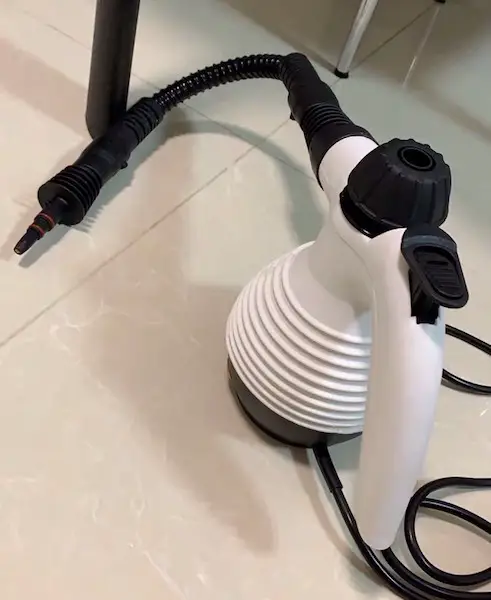
If you have a steam cleaner, use it gently on the foam to kill bacteria and reduce odors, but keep the fabric’s care instructions in mind. Always test a small spot first to avoid damage.
When to Consider Replacing Foam
Sometimes, even the best cleaning can’t remove deep, old urine smells from the foam. If your Lovesac smells constantly despite your efforts, the Durafoam might be too soaked.
It’s honestly more cost-effective to replace the inserts than to keep living with bad smells or lose your comfort. Lovesac sells replacement inserts, and getting fresh foam restores the feel and fresh smell of your furniture.
Check if the foam is firm or crumbling too. Damaged foam won’t support you properly, so if you notice these changes, it’s time to swap in new foam.
The Importance of Air Drying Your Lovesac After Cleaning
After washing your Lovesac cover, letting it air dry is one of the smartest steps you can take. It helps keep the fabric safe and stops any hidden moisture from causing problems.
Knowing how to dry it properly ensures your Lovesac stays fresh and lasts longer.
Proper Ventilation Tips
When you air dry your Lovesac cover, good airflow is key. Place it in a well-ventilated room or outside on a dry, breezy day.
Avoid direct sunlight, which can fade colors or weaken the fabric over time. Hang the cover or lay it flat on a clean surface where air reaches every part evenly.
Use a fan to speed up drying if you need to. Turning the cover every so often helps prevent damp spots that can smell or attract dirt.
Patience really pays off here—rushing with heat can shrink or damage your cover. You’re protecting your investment by letting it dry naturally.
Preventing Mold and Mildew
If your Lovesac doesn’t dry thoroughly, mold and mildew can start growing inside the fabric. These cause musty odors and weaken the material.
To stop this, you really have to dry it all the way. After washing, check for damp spots by feeling the cover’s back and folds.
If it feels cool or moist, keep drying it somewhere dry and breezy. Don’t fold it up too soon—just trust your hands and wait it out.
Keeping your drying space dry also helps avoid mold growth. Use a dehumidifier or open windows if you need to.
Preventing Future Cat Pee Accidents on Your Lovesac
Keeping your Lovesac safe from cat urine takes a bit of planning. You’ll want to focus on your cat’s habits and make your furniture less of a target.
Manage their litter box better, use barriers to shield your Lovesac, and train your cat to respect boundaries. These changes usually make your space cleaner and your cat less stressed.
Litter Box Management and Cat Behavior Tips
Start by making sure your cat’s litter box is clean and easy to access. Scoop waste daily and change the litter regularly.
Cats avoid dirty boxes and may find other places to pee, like your Lovesac. Place the litter box in a quiet, low-traffic spot where your cat feels safe.
If you have multiple cats, give each cat a box and toss in an extra for good measure. Watch your cat’s behavior for signs of stress or illness that might cause accidents.
Consistent feeding times and a calm environment help reduce anxiety. That makes your cat less likely to pee outside the box.
Using Protective Covers and Mats
Protective covers can save your Lovesac from damage. Look for washable, waterproof covers that fit snugly over your existing cover without ruining comfort.
Breathable materials keep your Lovesac inviting while blocking urine. You can also put a rubber or silicone mat under or on top of your Lovesac.
These mats stop liquids from soaking in and are easy to wipe down or wash. Keep a spare cover or towel nearby so you can quickly swap it out if accidents happen.
Training Your Cat to Avoid Furniture
Training your cat to stay off your Lovesac takes patience and reward. When you catch your cat heading for the Lovesac to pee, gently redirect them to their litter box.
Offer treats or affection when your cat uses the box correctly. Positive reinforcement helps them figure out where you want them to go.
You can use deterrents like pet-safe sprays on your Lovesac to discourage your cat from returning to that spot. Setting a routine for feeding and playtime can also lower stress, reducing accidents.
Picking the right products for cleaning cat pee from your Lovesac matters a lot. You want something safe for your fabric and your pet, but strong enough to remove stains and odors completely.
Knowing how enzymatic cleaners work and how to use simple ingredients like baking soda and vinegar can make a big difference.
Choosing the Best Enzymatic Cleaner
Enzymatic cleaners are your best friend for cat urine. They break down uric acid, the stubborn part of cat pee that regular cleaners can’t touch.
When shopping, look for a product that specifically says it targets urine stains and odors. Make sure the cleaner is safe for fabrics and non-toxic to pets.
Spray it generously on the affected spot and let it sit for at least 15 minutes. This gives the enzymes time to work deep into the fabric.
Don’t rush this step—proper soaking helps stop your cat from returning to the same spot. Brands like Nature’s Miracle are popular because they blend safety with real cleaning power.
Always test the cleaner on a small, hidden part of your Lovesac first to avoid color damage. It’s just not worth risking a big splotch.
How Baking Soda and Vinegar Work Together
Baking soda and vinegar are household staples that do wonders on cat urine odors. Baking soda absorbs moisture and neutralizes odors, while vinegar helps break down leftover urine compounds.
To use, sprinkle baking soda over the cleaned area once it dries. Let it sit for a few hours or overnight.
Then mix equal parts white vinegar and water in a spray bottle to lightly mist the spot. This combination helps lift deep-down smells that might not be visible.
After applying vinegar, blot the area with a clean cloth and let it dry with good air circulation. The smell of vinegar will fade, leaving your Lovesac fresher.
These two ingredients are affordable and pet-safe when used properly. They make a great backup or follow-up to enzymatic cleaners.
Frequently Asked Questions
Dealing with cat pee on your Lovesac can be tricky. Knowing the right cleaning steps and tools can make a big difference.
You’ll want practical solutions that remove odors and stains, protect your furniture, and keep your cat happy. Here are some quick answers to common questions.
What’s the best way to tackle the odor from cat accidents on my Lovesac?
Enzyme cleaners are your best bet because they break down the urine molecules that cause lasting smells. Apply the cleaner generously and let it dry naturally.
This process helps neutralize the ammonia and other compounds that cats dislike. Don’t skip the drying step—it really matters.
Can you give me some tips for effectively cleaning urine from a Lovesac without causing damage?
Start by blotting the urine—never rub, as that pushes it deeper. Remove the foam pieces if possible and hand wash them with mild dish soap.
Use a vinegar solution (one part vinegar to four parts water) on the cover and let it air dry. Avoid harsh chemicals and high heat, which can harm the fabric or foam.
Is it possible to get replacement foam for a Lovesac that’s been affected by cat pee?
Yes, Lovesac sells replacement foam in limited quantities through their showrooms. If washing doesn’t remove the smell, replacing the foam is often necessary to fully restore your Lovesac.
How essential is a waterproof liner for preventing Lovesac damage, and where can I find one?
A waterproof liner is very important. It stops urine from soaking into the foam and makes future clean-ups easier.
Mattress protectors and thin silicone or rubber mats placed under or over your Lovesac work great. These can be found at home goods stores or online retailers.
What are the top home remedies for freshening up a Lovesac after a pet mishap?
A mix of white vinegar and water is a simple and effective way to cut odors. Baking soda sprinkled on the fabric and left overnight before vacuuming can also help absorb smells.
Be sure to blot urine first to keep it from spreading. Sometimes the old tricks work best.
Can regular household supplies be used to clean a Lovesac, or do I need specialized products?
You can grab stuff like vinegar, baking soda, or even a bit of dish soap if you’re just dealing with a mild mess. Those are usually enough for little accidents, at least in my experience.
If you’re up against serious odors or stains, though, enzyme-based cleaners designed for pet urine tend to work better. Regular soaps just don’t cut through the weirdness of cat pee the same way those sprays do.
For more detailed cleaning methods and prevention tips, you can visit a guide on how to get cat pee out of a Lovesac.